


Understanding Calm Waters Therapy and Why It Matters Today
If you’re a highly sensitive person, you know the world can feel overwhelming. Sounds, emotions, and even subtle cues hit you harder. That constant stimulation can leave you drained, anxious, or on edge.
But there’s a gentle, effective approach designed just for you: calm waters therapy. For a deeper dive, see our mastering highly sensitive person complete guide.
Calm waters therapy is not about forcing yourself to be less sensitive. Instead, it teaches you to work with your nervous system, not against it. Think of it as creating a safe harbor inside yourself. You learn to ride the waves of emotion without being swept away.
Why does this matter today? Because modern life demands constant high-speed input. For HSPs, that can lead to chronic stress or burnout.
Calm waters therapy offers a practical way to restore balance. It honors your sensitivity as a strength, not a weakness.
This approach combines grounding techniques, mindful awareness, and gentle self-compassion. You’ll discover how to recognize your early warning signs. Then you can respond with care instead of reacting with overwhelm. The result is more peace, even in a busy world.
The Science Behind This: What Research Tells Us
Practical Strategies You Can Start Using Right Now
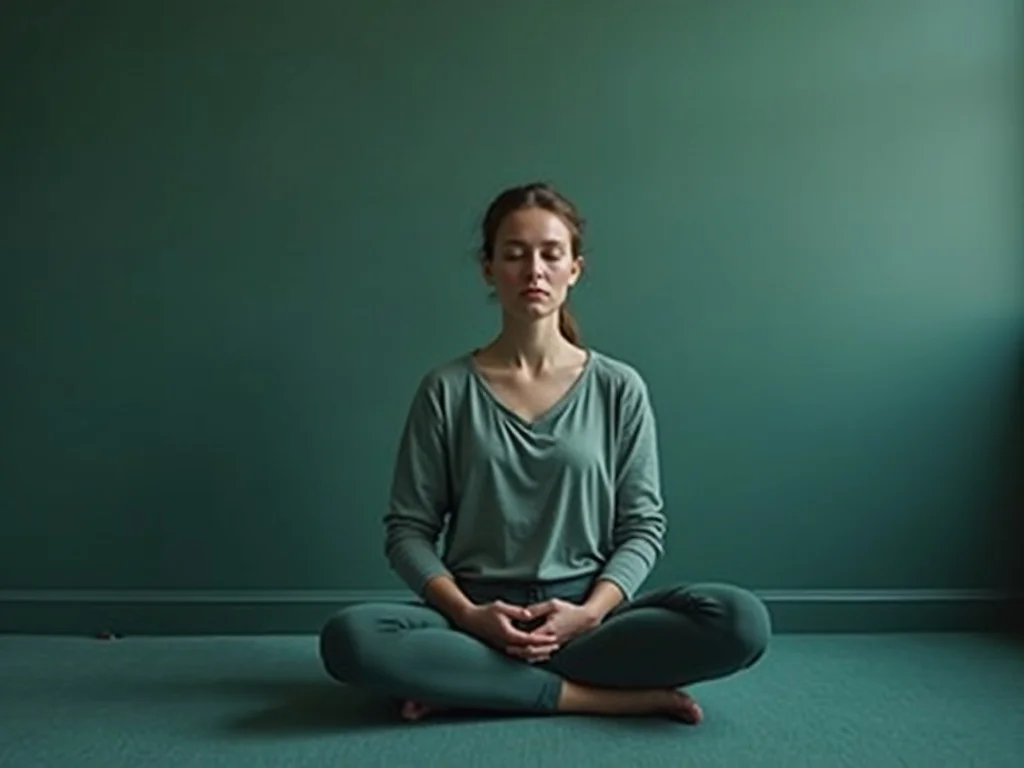
If you’re highly sensitive, small changes can make a big difference. Start with this simple grounding exercise: find a quiet spot, sit comfortably, and place your hand on your chest. Breathe in slowly for four counts, hold for four, then exhale for six.
Repeat five times. This activates your parasympathetic system and helps you feel calmer.
Create a Sensory Sanctuary
Designate a corner of your home as a low-stimulation zone. Use soft lighting, a cozy blanket, and noise-canceling headphones. When you feel overwhelmed, retreat there for ten minutes. This isn’t hiding—it’s self-care.
Use the 5-4-3-2-1 Technique
When anxiety spikes, engage your senses. Notice five things you see, four you can touch, three you hear, two you smell, and one you taste. This shifts focus from internal distress to the present moment, reducing cortisol levels.
Schedule Micro-Breaks
Highly sensitive people need more downtime. Set a timer every 90 minutes for a five-minute break. Step away from screens, stretch, or sip water. These pauses prevent sensory overload and maintain energy throughout the day.
Reframe Your Sensitivity
Instead of thinking “I’m too sensitive,” tell yourself “My sensitivity gives me insight.” Write down one way your sensitivity helped you today—like noticing a friend’s mood or appreciating art. Over time, this builds a positive identity.
- Practice slow, deep breathing for two minutes each morning.
- Keep a journal of sensory triggers and calming responses.
- Limit news and social media to two 15-minute blocks daily.
- Use earplugs in noisy environments like public transit.
A Comparison of the Most Effective Approaches
When you’re exploring ways to manage your sensitivity, understanding the differences between methods can help you choose what fits best. Each approach has unique strengths, and what works for one person may not suit another. Below is a comparison of four widely recommended techniques for highly sensitive individuals.
| Grounding exercises | Focuses on the present moment through breath or sensory input | Quick relief from overwhelm; research suggests consistent practice reduces anxiety | Managing acute stress or panic attacks |
| Low-stimulation sanctuary | Creates a calm space with minimal noise, dim lighting, and comfort items | Highly effective for sensory overload; clinicians often recommend as a daily reset | Those with frequent overstimulation |
| Sensory technique (5-4-3-2-1) | Engages all five senses to anchor attention in the present | Rapidly shifts focus from internal distress; studies indicate improved emotional regulation | Situations where you need immediate calm |
| Micro-breaks | Pauses every 90 minutes for quiet reflection or gentle movement | Sustains energy and prevents buildup of stress; supported by time management research | Busy schedules with high demands |
Each approach can be adapted to your needs. You might combine grounding exercises with micro-breaks for a balanced routine. The key is consistency—choose one and practice it regularly to build resilience.

Building Long-Term Resilience: Daily Habits That Stick
Resilience isn’t built overnight. For highly sensitive people, small daily habits create a foundation that helps you weather life’s storms without losing your center. The key is consistency, not intensity.
Start with a morning check-in. Before you check your phone, take three slow breaths and ask yourself: “What do I need today?” This simple practice sets an intentional tone and prevents reactive decisions later.
Another powerful habit is the “sensory reset.” After any stressful interaction or task, spend two minutes doing something that soothes your nervous system. This could be splashing cold water on your face, pressing your palms together, or listening to a single song. These micro-resets prevent overwhelm from accumulating.
Evenings matter too. Create a wind-down ritual that signals safety to your brain. Dim the lights an hour before bed, avoid screens, and write down one thing you’re grateful for. Over time, this trains your nervous system to shift into rest mode more easily.
Finally, schedule at least one block of uninterrupted quiet time each day. This isn’t selfish — it’s essential maintenance for your sensitive system. Whether it’s 10 minutes of stillness or a walk without headphones, this habit replenishes your capacity to engage with the world.
Remember, you don’t need to do all of these at once. Pick one habit that resonates, practice it for a week, then add another. Small steps, repeated daily, build resilience that lasts.
FAQ
How is calm waters therapy different from regular therapy?
Calm waters therapy is specifically designed for highly sensitive people. It focuses on reducing overstimulation and building sensory regulation skills, unlike traditional therapy that may not address sensory sensitivity directly. This approach emphasizes gentle pacing and a soothing environment.
How long does it typically take to see results?
Many people notice subtle shifts after a few sessions, such as feeling calmer or handling triggers better. However, lasting change often requires consistent practice over several months. Your pace depends on your unique sensitivity and goals.
Can I practice calm waters techniques at home?
Absolutely. Therapists often teach you simple grounding exercises and self-soothing routines to use daily. Creating a quiet space with soft lighting and minimal noise can help you replicate the therapy’s calming effects between sessions.
Is calm waters therapy covered by insurance?
Coverage varies by provider and plan. Some insurers may reimburse sessions if the therapist is licensed and the treatment is deemed medically necessary. It’s best to check with your insurance company directly and ask about mental health benefits.
What should I look for in a calm waters therapist?
Seek a therapist who explicitly understands sensory processing sensitivity and uses trauma-informed, gentle methods. Look for credentials like a license in counseling or social work, and don’t hesitate to ask about their experience with HSP clients during a consultation.
Conclusion
Learning calm waters therapy is a journey, not a destination. The techniques outlined above give you practical tools you can use tonight. Start with one small change and build from there. Your mind can learn to quiet itself — it just needs the right signals.
Medical Disclaimer: This article is for informational purposes only and does not constitute medical advice, diagnosis, or treatment. The information provided is not a substitute for professional medical advice. Always consult a qualified healthcare professional before making any decisions about your physical or mental health.