


Understanding Emotional Stress and Why It Matters Today
If you’re a Highly Sensitive Person, you already know that emotional stress isn’t just in your head—it’s a full-body experience. You might feel it as a tight chest, a racing mind, or a sudden urge to retreat. That’s because your nervous system is wired to pick up on subtle cues that others often miss.
This heightened awareness is a gift, but it also means you absorb stress more deeply than most. For a deeper dive, see our understanding high sensitivity and thriving with it.
This framework for HSPs isn’t just about big life events. It can build from everyday triggers: a crowded grocery store, a tense conversation, or even a friend’s bad day. Over time, this accumulation can leave you feeling drained, anxious, or overwhelmed.
You might wonder why you react so strongly when others seem unfazed. The answer lies in your unique nervous system, which processes sensory and emotional information more thoroughly.
The good news is that understanding this connection is the first step toward reclaiming calm. When you recognize that your reactions are not a flaw but a trait, you can start to work with your body instead of against it. This section lays the groundwork for the practical strategies ahead, so you can move through stress with more ease and self-compassion.
What Research Tells Us: The Evidence Behind This
You might wonder if your intense reactions to stress are just in your head. Research suggests they are not. Studies indicate that highly sensitive people process information more deeply, which includes emotional cues. This isn’t a flaw; it’s a trait found in about 20% of the population.
Brain imaging studies show that HSPs have heightened activity in areas linked to empathy and self-awareness. That means you literally feel more. Your nervous system picks up on subtleties others miss, and it responds strongly. This can be exhausting, but it also gives you a unique depth of experience.
Clinicians often recommend a tailored approach to managing emotional stress for HSPs. Generic stress advice may not work because your baseline sensitivity is different. Understanding the evidence helps you choose strategies that actually fit your needs.
| Approach | How It Works | Effectiveness | Best For |
|---|---|---|---|
| Mindfulness | Focuses on present-moment awareness, reducing rumination | High for many, but may need adaptation for overstimulation | Those who feel overwhelmed by racing thoughts |
| Cognitive Behavioral Therapy (CBT) | Challenges negative thought patterns and builds coping skills | Well-supported for stress and anxiety | Those who want structured, goal-oriented help |
| Lifestyle Adjustments | Involves sleep, nutrition, and exercise changes | Moderate to high, but requires consistency | Those who prefer holistic, daily habits |
| Sensory Management | Reduces environmental triggers like noise and bright lights | Immediate relief for overstimulation | Those who feel drained by busy environments |
Each approach has its strengths. Mindfulness helps you stay grounded, but it might feel intense if you’re already overstimulated. CBT offers practical tools, yet it requires a skilled therapist.
Lifestyle changes build a foundation, but they take time. Sensory management gives quick wins, though it doesn’t address deeper emotional patterns.
The key is to combine what works for you. You might start with sensory management to calm your environment, then add mindfulness to handle your inner world. Over time, you’ll discover a blend that supports your sensitive nature.

Practical Strategies You Can Start Using Right Now
When these tools hits, your body often reacts before your mind can catch up. You might feel a tight chest, a racing heart, or that urge to retreat. That’s your nervous system doing its job—but it can feel overwhelming. The good news is, you can train your system to respond more gently.
Start with Your Breath
Breathing is one of the few tools you can access anytime, anywhere. A simple technique is the 4-7-8 method: inhale for four counts, hold for seven, exhale for eight. This pattern activates your parasympathetic nervous system, which helps calm the fight-or-flight response. Try it for a few rounds when you notice stress building.
Create a Sensory Safe Space
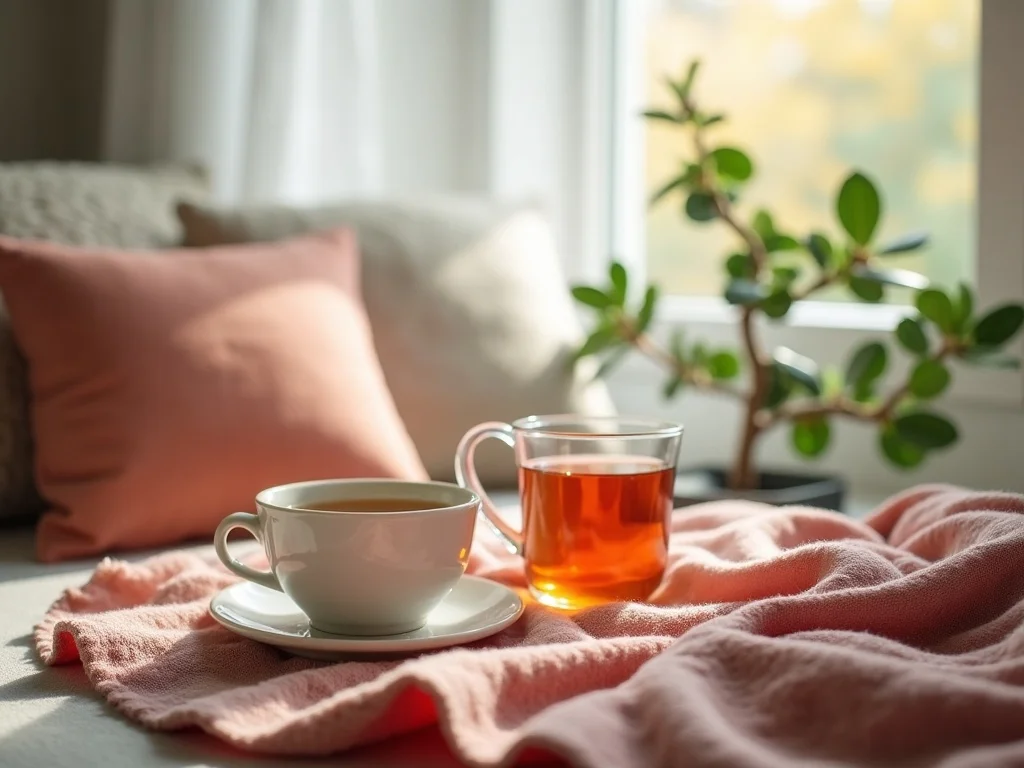
Because you process sensory input deeply, your environment matters. Designate a corner of your home where you control the lighting, sound, and textures. Soft blankets, dim lamps, and noise-canceling headphones can work wonders.
When stress spikes, retreat there for five minutes. It’s not running away—it’s giving your brain a break.
Use the ‘Pause and Name’ Technique
When you feel flooded, pause and name what’s happening. Say to yourself, “I’m feeling overwhelmed because the room is loud and I have too many tasks.” This simple act shifts your brain from reactive to reflective. It creates a small gap between stimulus and response, giving you more choice in how you react.
Set Boundaries That Protect Your Energy
You’re more susceptible to others’ emotions, so boundaries aren’t selfish—they’re essential. Learn to say no without over-explaining. For example, “I can’t take that on right now” is enough.
You might also limit news consumption or social media time. These small cuts reduce the emotional load you carry daily.
Move Your Body in Gentle Ways
Intense workouts can sometimes add more stress to a sensitive system. Instead, try gentle movement like stretching, walking, or yoga. These activities release tension without overstimulating you.
Even five minutes of slow movement can shift your mood. Listen to your body—if it craves stillness, honor that.
Practice the ‘One Thing’ Rule
When stress makes your mind race, pick one small task and focus only on it. It could be washing a dish, writing a sentence, or taking a sip of water. This narrows your attention and prevents overwhelm.
After completing it, choose another. This approach builds momentum without demanding too much at once.
Try a Quick Body Scan
A body scan helps you reconnect with physical sensations, grounding you in the present. Close your eyes and slowly notice each part of your body, from your toes to your head. Don’t judge what you feel—just observe. This practice reduces stress by interrupting the cycle of anxious thoughts.
Keep a ‘What Worked’ Journal
After a stressful day, jot down one thing that helped, even if it was small. Over time, you’ll see patterns and build a personal toolkit. This isn’t about perfection—it’s about learning what soothes your unique nervous system. You’ll feel more in control as you notice your progress.
Remember: you don’t have to try everything at once. Pick one strategy and practice it for a week. Small, consistent steps create lasting change.
Finding the Right Approach for You
You’ve learned several strategies, but knowing where to start can feel overwhelming. That’s okay. The key is to treat this as an experiment, not a test. Your nervous system is unique, so what works for one HSP might not work for you.
Begin by picking one strategy that feels most appealing. Maybe it’s the 4-7-8 breathing or creating a sensory safe space. Try it for a few days, and notice how your body responds. You’re looking for small shifts, like a slight ease in tension or a calmer mind.
If a strategy doesn’t resonate, set it aside. There’s no need to force it. Instead, consider what you know about your sensitivities. Do you prefer quiet or gentle movement?
Do you need alone time or connection? Let your instincts guide you.
Combining Strategies for Better Results
Sometimes, pairing two strategies can be more effective than using one alone. For example, you might combine the ‘Pause and Name’ technique with a body scan. This helps you connect your thoughts to physical sensations, which can deepen your awareness.
Another combination is setting boundaries and using the ‘One Thing’ rule. By limiting your commitments, you reduce the chance of overwhelm. Then, when you do engage, you can fully focus on a single task, which feels more manageable.
Remember, there’s no right or wrong way to do this. Your goal is to find what brings you a sense of calm and stability. Trust your experience.
As you experiment, keep a simple log in your ‘What Worked’ journal. Note which strategies you tried, how you felt before and after, and any patterns you notice. Over time, you’ll see which tools are your go-to’s.
It’s also helpful to consider your energy levels. Some strategies, like gentle movement, might be better in the morning. Others, like a body scan, could be perfect for winding down at night. Adjust based on what your body tells you.
Finally, be patient with yourself. Building new habits takes time, and setbacks are part of the process. If you miss a day, simply start again the next. Consistency matters more than perfection.
By now, you have a toolkit of ideas. The next step is to put them into practice. Trust that you know yourself best, and let your experiences guide you toward a calmer, more balanced life.
Daily Habits That Build Resilience Over Time
You’ve tried the quick fixes, and some of them helped. But lasting calm doesn’t come from a single technique—it comes from small, consistent actions. Think of resilience as a muscle you train a little every day.
Start with your mornings. Before you check your phone, take three slow breaths. This simple act sets a gentle tone. Then, as you move through your day, notice what drains you.
Is it the crowded train or the endless emails? You can’t avoid everything, but you can plan around your energy.
Anchor Your Day with Micro-Rituals
Micro-rituals are tiny, repeatable actions that ground you. They don’t take much time, but they signal safety to your nervous system. For example, you might sip a warm drink mindfully for two minutes. Or you could stretch your neck and shoulders after every hour of work.
- Morning: Name three things you can see, hear, and feel.
- Midday: Step outside for 60 seconds of fresh air.
- Afternoon: Place a hand on your chest and breathe slowly.
- Evening: Write down one thing that went well.
These rituals work because they interrupt the stress loop. They remind your body that you’re safe, right now. Over time, they become automatic—and that’s when the real change happens.
Protect Your Energy with Boundaries
As an HSP, you absorb the emotions of others. That’s not a flaw; it’s a gift. But without boundaries, it becomes a burden.
You can start by limiting your exposure to stressful news. Set a specific time to check updates, and stick to it.
Also, practice saying no. You don’t need a long explanation. A simple “I can’t commit to that right now” works.
You’ll feel guilty at first, but that guilt fades. What remains is a sense of control over your time and energy.
Move Your Body in Ways That Feel Good
Exercise is a proven stress reliever, but for HSPs, intense workouts can backfire. Instead, choose movement that feels nurturing. Gentle yoga, walking, or swimming are excellent options. The goal is to feel better after, not exhausted.
If you’re not sure where to start, try a 10-minute walk after lunch. Notice the rhythm of your steps and the air on your skin. This mindful movement helps reset your nervous system. And it’s easy to stick with because it doesn’t demand much.
Wind Down with a Consistent Evening Routine
Your evening routine signals to your brain that the day is over. Start by dimming the lights an hour before bed. Put away screens, and do something calming—like reading or gentle stretching. This helps you fall asleep faster and sleep more deeply.
You might also try a gratitude practice. Each night, write down one or two things you appreciated. Research suggests that gratitude can improve mood and reduce stress. It’s a simple habit with powerful effects.
Remember: Consistency beats intensity. A five-minute daily practice is more effective than a two-hour session once a month. Be kind to yourself as you build these habits—progress, not perfection.
As you weave these habits into your life, you’ll notice a shift. The small moments of calm accumulate. You’ll feel more grounded, more resilient, and more like yourself. And that’s the ultimate goal—not to eliminate stress, but to meet it with grace.
FAQ
Is emotional stress really worse for highly sensitive people?
Yes, it can feel that way. Your nervous system processes sensory information more deeply, so emotional cues—both yours and others’—register more intensely. This isn’t a flaw; it’s a trait that brings empathy and insight, but it also means you may need extra recovery time after stressful events.
How can I tell if I’m overwhelmed or just having a bad day?
Overwhelm often builds gradually. You might notice physical signs like tension in your shoulders, a racing heart, or fatigue that doesn’t lift with rest. Emotionally, you may feel irritable, tearful, or numb. A bad day usually passes with a good night’s sleep, but overwhelm lingers and affects your daily functioning.
What’s the quickest way to calm my nervous system when I’m in the middle of a stressful moment?
Try a simple breathing technique: inhale for four counts, hold for four, exhale for six. This activates your parasympathetic nervous system, which helps lower your heart rate. Pair it with grounding—notice five things you can see, four you can touch, three you can hear. It shifts your focus away from the stressor and back to your body.
Should I avoid all stressful situations to protect my sensitivity?
Not at all. Avoiding everything shrinks your world and can increase anxiety. Instead, learn to manage your exposure.
Plan ahead for known stressors, schedule recovery time afterward, and practice saying no when your energy is low. You can build tolerance gradually, but always respect your limits.
Can the approach outlined cause physical symptoms in HSPs?
Absolutely. Your body and mind are deeply connected. Chronic emotional stress can show up as headaches, digestive issues, muscle pain, or frequent colds.
It can also disrupt your sleep and appetite. If you notice these symptoms, it’s a sign to prioritize stress management and check in with a healthcare professional if they persist.
Conclusion
Your sensitivity isn’t a flaw to fix — it’s a compass that helps you move through the world more intentionally.
Medical Disclaimer: This article is for informational purposes only and does not constitute medical advice, diagnosis, or treatment. The information provided is not a substitute for professional medical advice. Always consult a qualified healthcare professional before making any decisions about your physical or mental health.